Winters in Arizona might not come with heavy snowbanks, but don’t be fooled, cold snaps, chilly nights, and desert winds can still pose serious risks to livestock health. For farmers and animal owners in Gilbert and surrounding Arizona areas, proper winter preparation protects animals like cows, pigs, goats, sheep, llamas, and alpacas. Herd Health Management offers veterinary guidance to keep your herd healthy and comfortable all season long.
Cold Can Still Be a Threat in Arizona
Even in milder climates, livestock are vulnerable to sudden temperature drops, wind chills, and damp conditions. Nighttime lows in Arizona can dip well below freezing, especially in open areas. These shifts can affect everything from feed efficiency to immune response, especially in young, elderly, or thin-coated animals.
Cold Weather Considerations for Your Animals
Cattle
Beef and dairy cattle handle cold better than many species, but wind and wet coats can lead to stress and increased energy needs.
- Provide windbreaks and shelter
- Ensure access to clean, unfrozen water
- Monitor calves and thinner animals more closely
Pigs
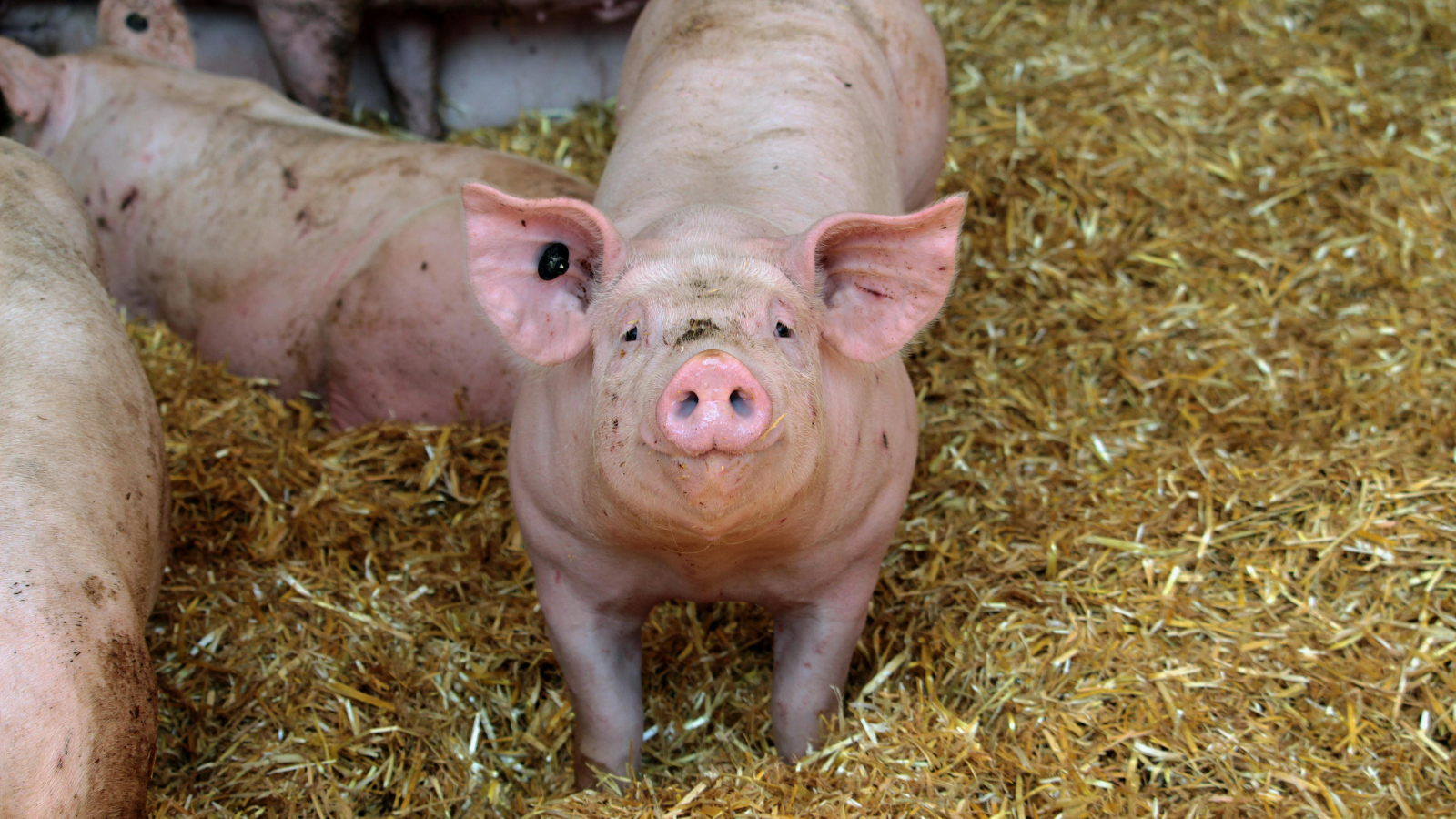
Pigs are less cold-tolerant due to sparse hair and fat distribution.
- Keep pens dry and well-bedded with straw or shavings
- Use heat lamps safely in farrowing areas
- Avoid drafts in housing
- Make sure piglets are warm, especially during the first few days of life
Goats and Sheep
Goats and sheep benefit from shelter and dry bedding.
- Trim hooves regularly to prevent issues from damp ground
- Watch for signs of pneumonia, especially in crowded shelters
- Coats should stay dry; wet fleece loses insulating power
Llamas and Alpacas
These animals generally tolerate cooler weather well, but Arizona’s winter wet/dry cycles can still cause stress.
- Provide shelter from cold winds and rain
- Maintain body condition with appropriate nutrition
- Schedule shearing for adequate coat thickness going into winter (avoid late-season shearing)
- Monitor for cold stress signs like shivering, hunching, or isolation, and contact a veterinarian if necessary
General Cold Weather Safety Tips for All
Fresh water is a must for all animals. Most livestock won’t drink enough if water is icy or frozen. Use heated buckets or water trough de-icers. Check water multiple times a day when temperatures get low.
Provide shelter and wind protection. Even basic three-sided shelters, windbreaks, or tarped fencing can make a big difference.
Monitor the body condition and health of your animals as the weather changes. Weight loss, lethargy, coughing, or isolation may signal cold-related stress or illness. Work with your vet to identify signs early.
Be cautious when using supplemental heat. If you’re using heat lamps or space heaters to keep your livestock warm, cords should be out of reach and all equipment must be safe from fire hazards.
When to Call the Vet
Don’t wait until an issue becomes an emergency to reach out to a livestock veterinarian. Call if you see:
- Sudden lameness or refusal to eat
- Signs of respiratory illness
- Pregnant or newborn animals struggling in the cold
- Animals separating from the group or appearing weak
Additionally, a vet can assess housing, feeding, and health strategies to get your herd through the winter in good shape.
Veterinary Guidance for Winter Preparation in Gilbert, AZ
Preparing livestock and farm animals for winter in Arizona is all about staying ahead of the weather. Cold temperatures, wind, and wet conditions can all put your animals at risk. Herd Health Management has veterinary support and sick care for farm animals in Gilbert, San Tan Valley, Mesa, and nearby Arizona areas. Need help winterizing your farm or checking on herd health? Give us a call to schedule an appointment with Herd Health Management.